I went on a hill and realised why I'm optimistic about the world at large
7 June 2026
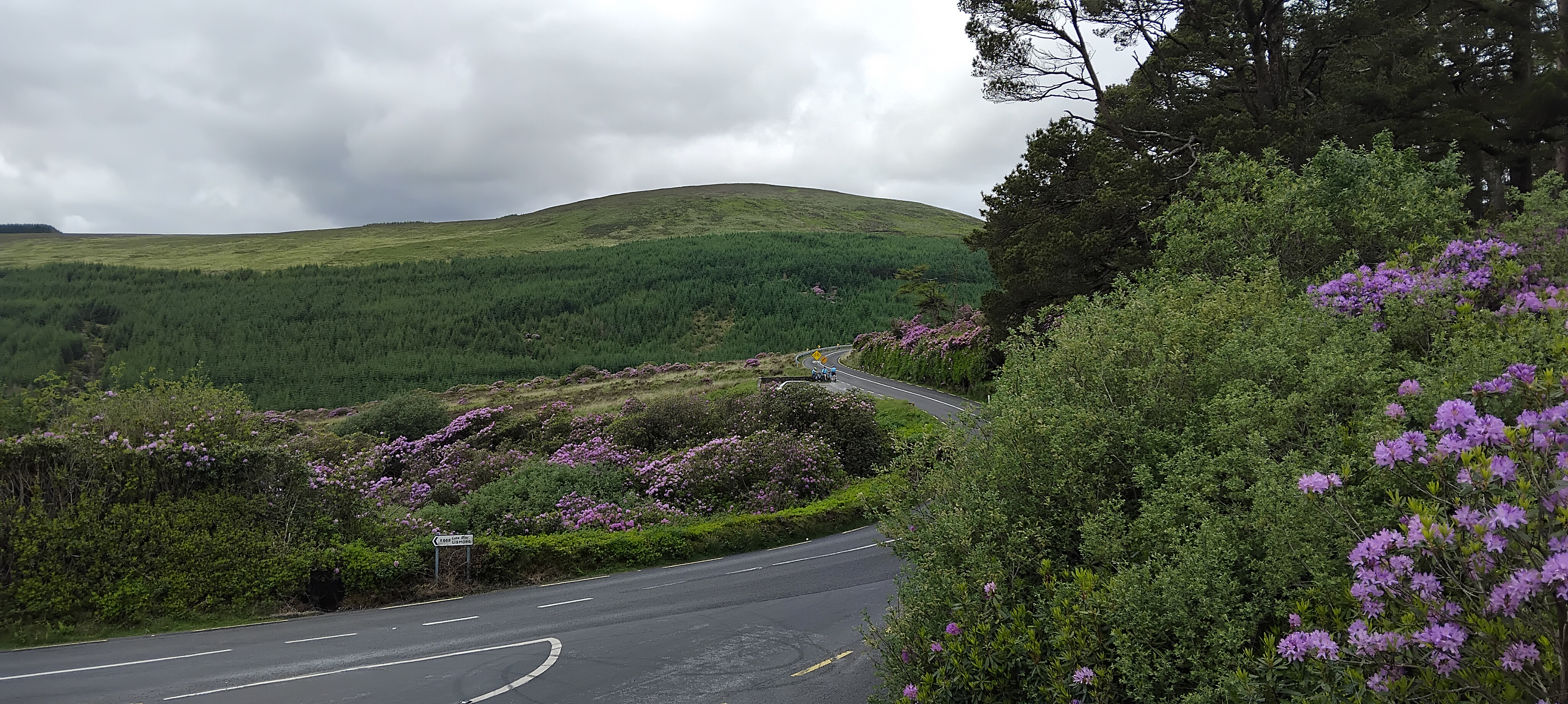 Occasionally, me and my family will go on a hike. This happened last week, and we went up a mountain in Ireland. Ireland is really famous for its "natural beauty", many Americans seeming to think that the grass is greener on the other side. The most interesting thing to me however about the Irish landscape, is that it is a post-apocalyptic one. When I am out on a hike, I can never stop thinking of screenshots from Death Stranding, a video game I haven't played(I only have so much time), but understand is set in a post-apocalypse. There was also a forest near the mountain that I was on last week, but it was clear to me that this was not a natural forest. These trees seemed too homogenous, and they were seperated by what seemed a grid of roads.
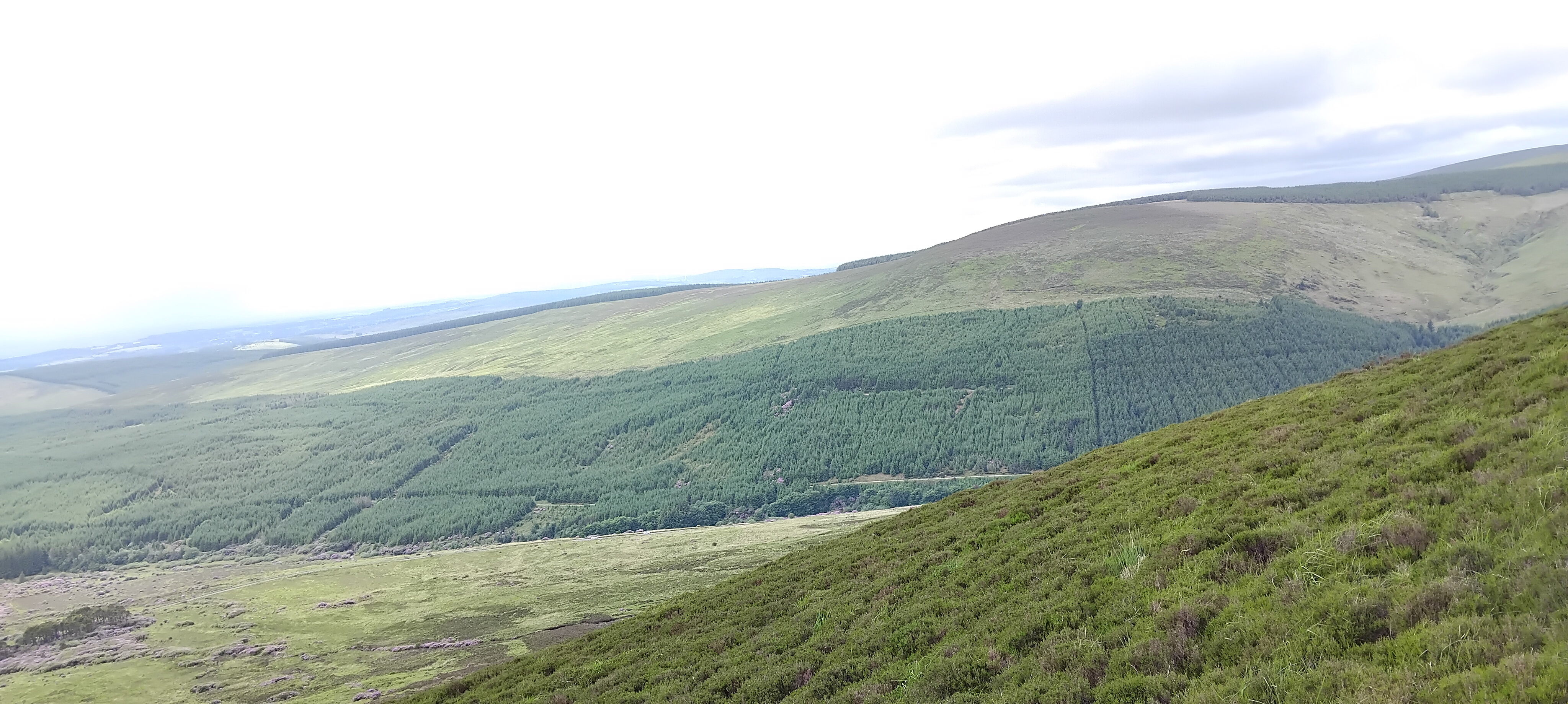 I often hear it said about Ireland, Scotland and Iceland that they used to be rainforest. Currently these landscapes are famously bare due to agricultural activity, I don't think the sheep just *evolved* to dominance here. A different but equally twistedly beautiful version of this story reared its head when I went to Snowdonia about 5 years ago. The national park in the north of Wales is famous for its slate mining and its mountains are covered in rubble from those quarries. Snowdonia was the worlds premier exporter of roof tiles, its enviornment suffered, and now its considered beautiful. The islands in the North Atlantic are defined by an enviornmental destruction that people find immensly appealing.
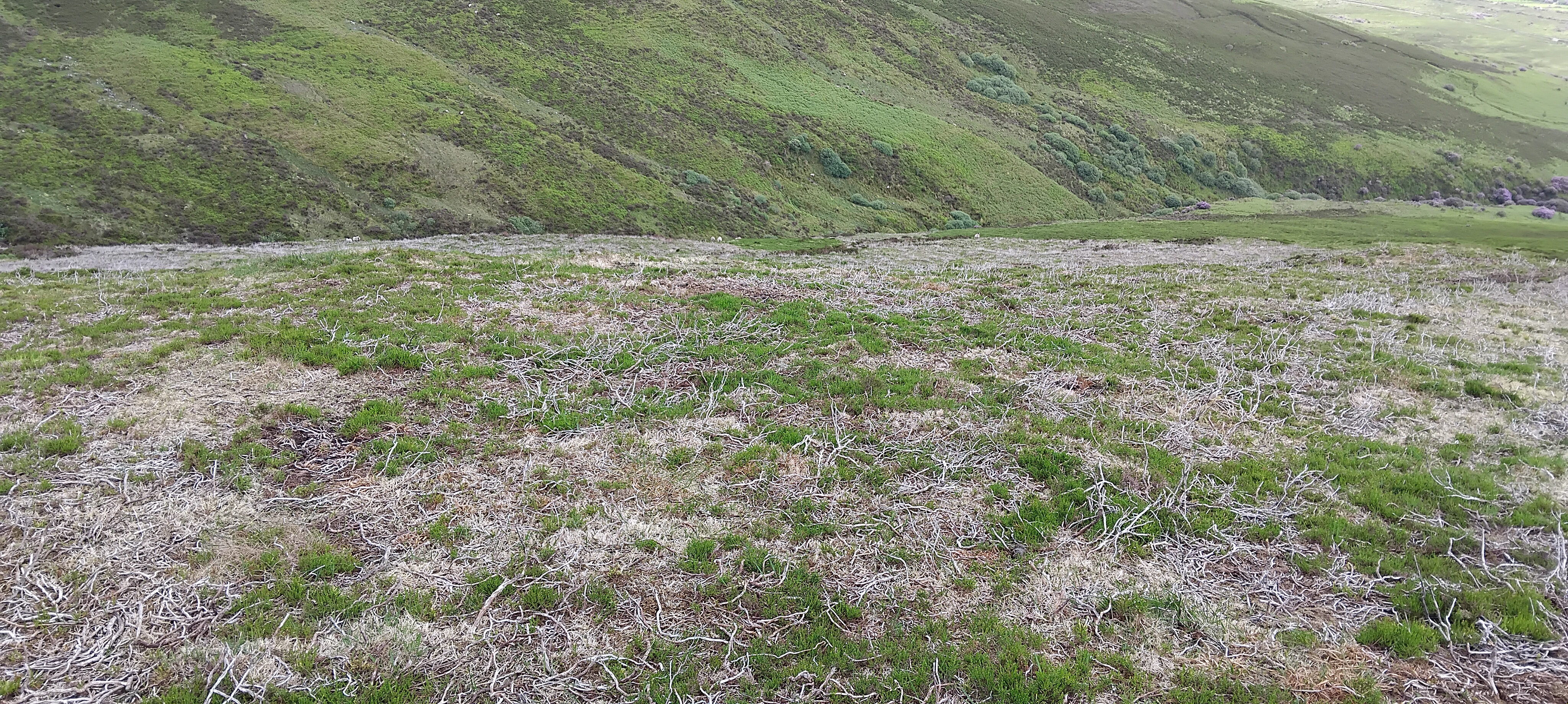 I'm obviously not the first person to point any of this out. William Cronon wrote in 1996: "Far from being the one place on earth that stands apart from humanity, it [the wilderness] is quite profoundly a human creation". He means with wilderness being a "human creation" that its a socially constructed category, it is thought of as being unintruded on by contrast to the built enviornment, and a term that is loaded with the promises of escape and some form of good health. He goes on to characterise the old, biblical understanding of wilderness as a "wasteland", In the context of Irish agricultural history, it is also a wasteland of human creation. The bare landscapes of Ireland, Wales, Scotland and Iceland are themselves the proof that, in Cronon's words: "people have been manipulating the natural world on various scales for as long as we have a record of their passing"
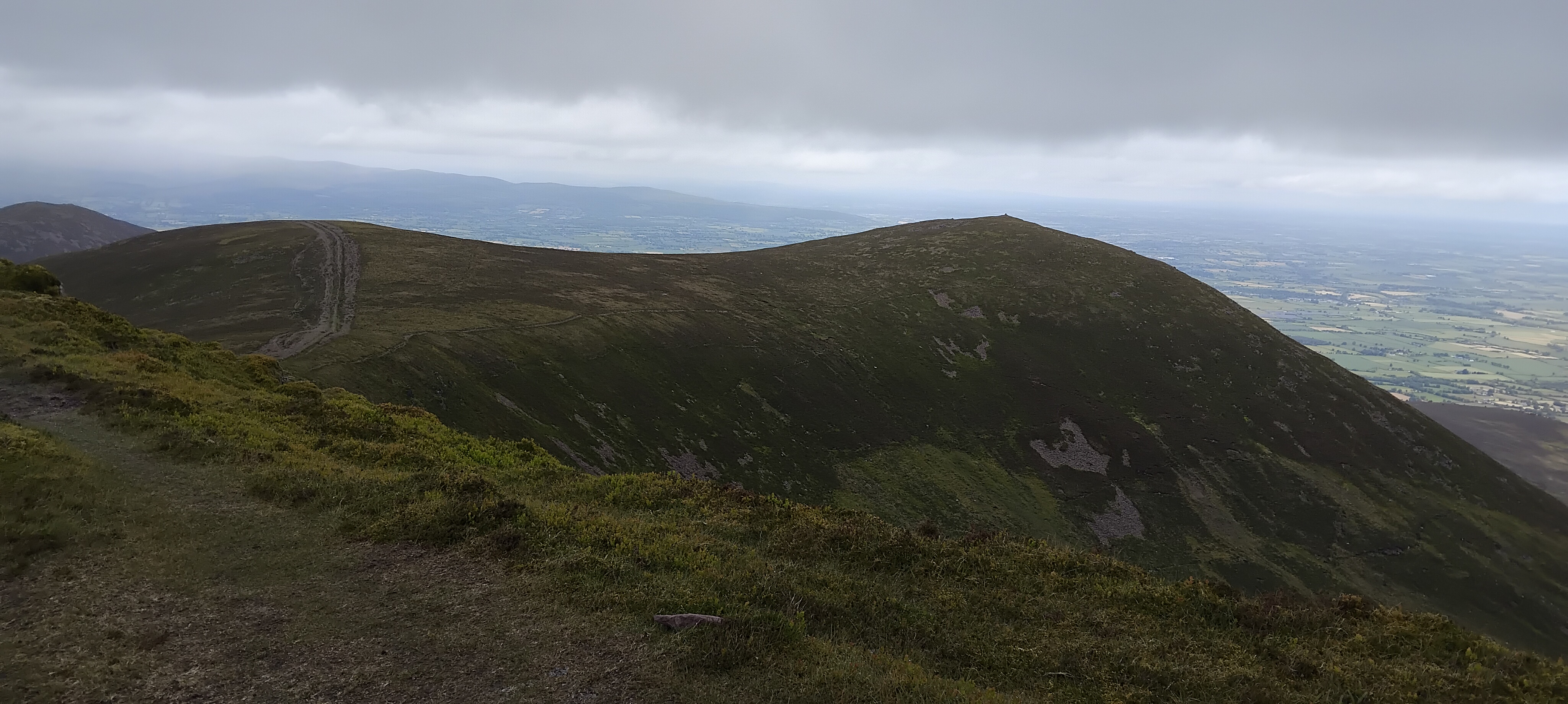 Cronon reconciles the paradox of our veneration of nature as "untouched", despite it being very much so constructed by urging us to celebrate nature in our built enviornment. Celebrate trees that rip up pavements with their roots, celebrate grassed squares, celebrate supermarket car park sunsets or a rainy day in the city. I would also advocate for an inverse appreciation to work in conjunction. Celebrate landscape architects, celebrate conservation projects, etc. etc. The question still looms of where the region that I feel is so defined by being ruined by industry should sit in our appretiation. I think we could consider the beauty in this region comparable to that of two things: brutalist architecture and abandoned buildings. One a divisive style known for its raw exposed material, the other a remnant of a previous civilisation, I think the attraction many people feel towards these may explain the beauty I and many others see in Irish and Snowdonian mountains.
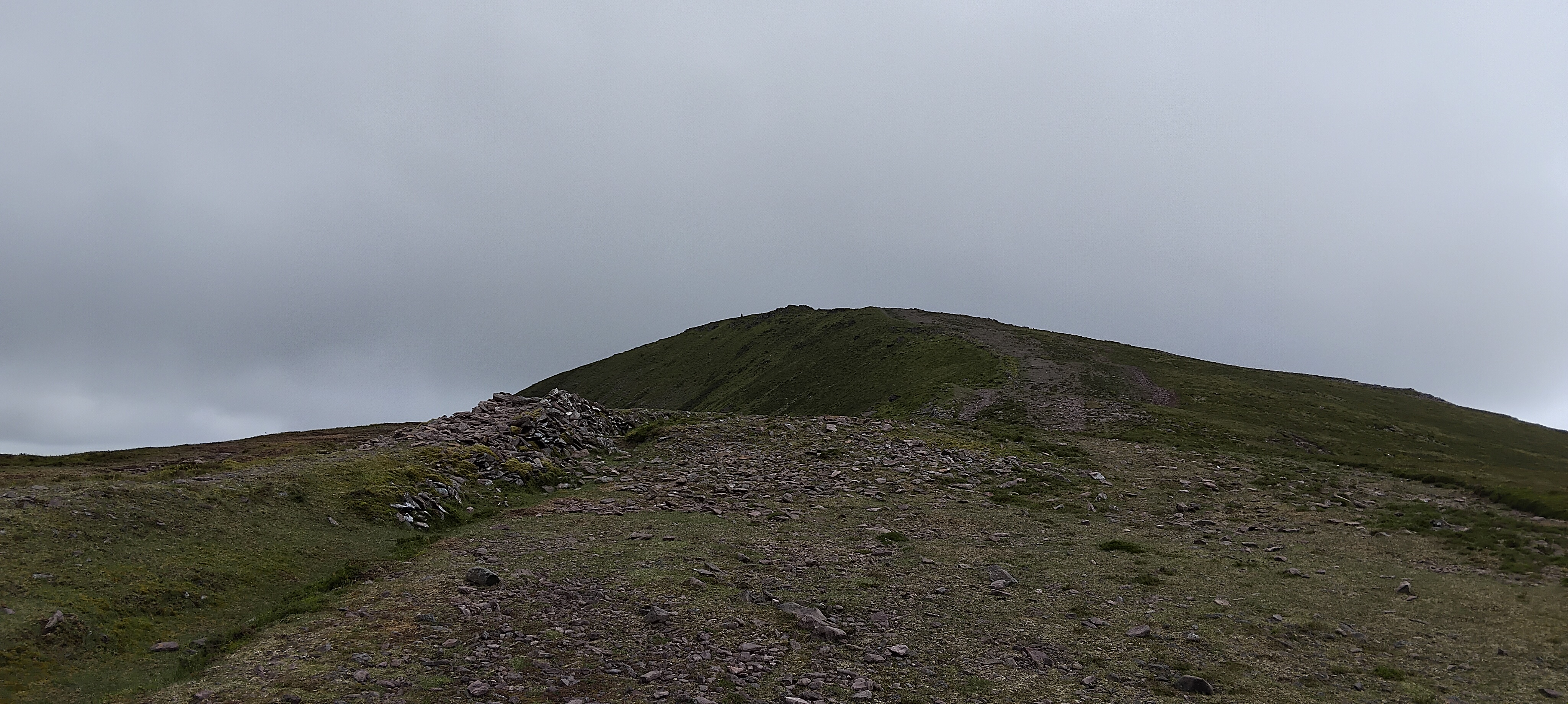 I am unltimately optimistic about the enviornment. I'm an optimist because we failed at preventing ecological collapse in the North Atlantic, and we are still alive. I'm under no illusion that we will fix every issue, but I'm also not convinced that we need a holistic solution, because we haven't had one so far. In a sense these islands are the worst case scenario that creates the urgency we may need, a scar to remind us of the future that lies ahead for the rest of the world if we don't act. But a scar that we celebrate for its beauty. For some reason.